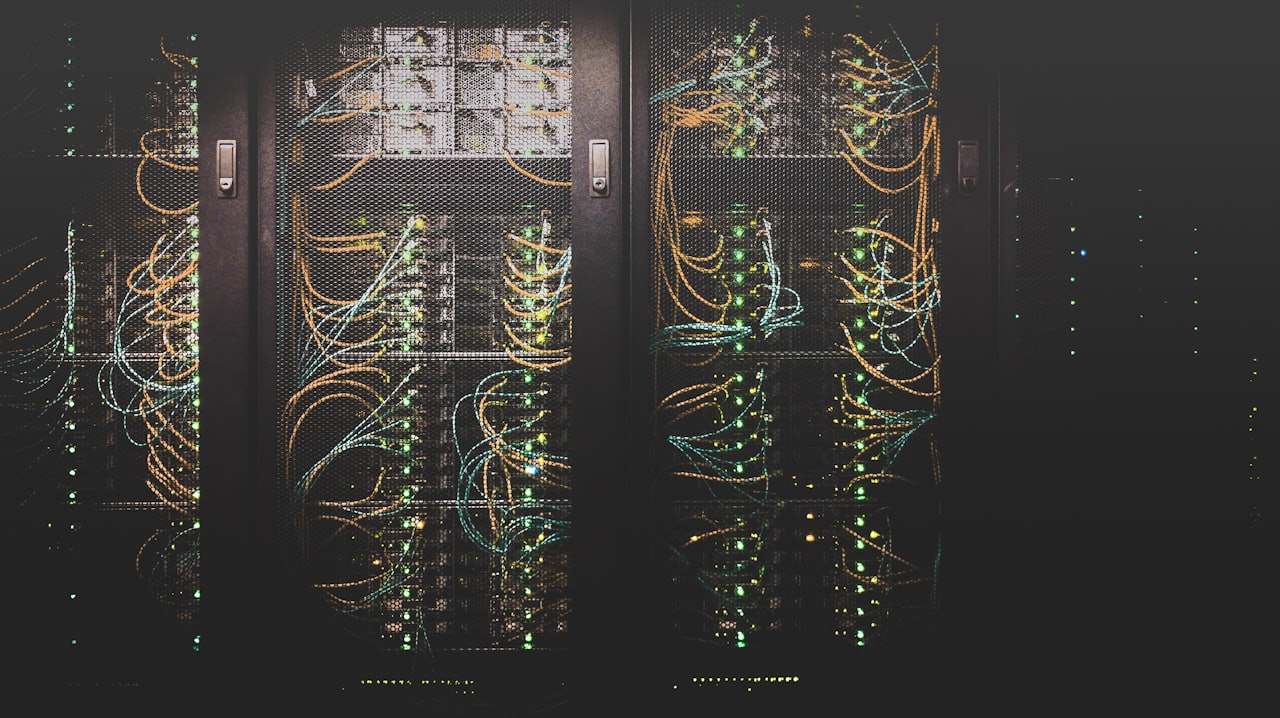
The next scouting room is not a prettier dashboard. It is an AI operations layer that watches the right feeds, keeps the source trail intact, routes the signal to the right person, and records what happened after the decision.
That matters because the winning sports AI products are not going to be single models. They are going to be data loops. You need storage, ingestion, labeling, inference, dashboards, alerts, and a record of what the human did after the system spoke.
The competitive edge is not the model in isolation. It is the operating discipline around the model.
The minimum useful stack
The stack does not need to be exotic. Start boring:
- Postgres for structured data and decisions.
- Object storage for clips, screenshots, PDFs, and raw files.
- A model path for cheap classification and heavier reasoning when the stakes justify it.
- A scheduler for daily pulls and cleanup.
- A trace log for every agent, model call, and human decision.
That is enough to build a scouting sandbox, a recruiting signal board, an opponent-prep workflow, or a media research engine. The point is not to cosplay enterprise infrastructure. The point is to understand where systems break.
Why it changes your taste
Once you operate the loop, your product taste improves. You stop being impressed by dashboards that cannot explain their data lineage. You notice when an AI agent has no evals. You ask whether a sports analytics product records downstream decisions. You care about permissions, rights, source quality, and boring failure modes.
That taste is leverage. It helps you buy better software, build sharper prototypes, and spot fake sophistication.
The media angle
Field Signal will keep pushing this format because it forces specificity. Source quality, stack choices, failures, screenshots, and tradeoffs are more useful than another "AI will change sports" essay.
The best sports technology writing will come from people who can explain both the market and the operating system underneath it.
Why it matters
This is the practical backbone for the site's sports AI argument: real feedback loops require storage, capture, logging, review, and failure handling before they require a polished model demo.
Builder angle
Run one narrow workflow first. A scouting database, clip store, scheduler, and trace log will teach the product constraints faster than a broad demo.
What to watch next
Future sports AI products should show the stack in use: what data was captured, what broke, what decision changed, and what the next iteration costs in time or money.